


How can the design of multi-color ink cartridges for portable inkjet printers balance color performance with the limitations of device size and weight?
Release Time : 2026-03-19
The design of multi-color ink cartridges for portable inkjet printers requires a delicate balance between color performance and device size and weight. This process involves the comprehensive application of cartridge structure optimization, ink formulation innovation, printhead technology upgrades, and system integration strategies.
The core challenge of multi-color ink cartridges lies in improving color reproduction by increasing color gamut coverage, while avoiding a decrease in device portability due to increased cartridge quantity or size. Traditional four-color ink cartridges (CMYK) achieve the basic color gamut through mixing cyan, magenta, yellow, and black, but struggle to accurately reproduce highly saturated colors or complex gradients. To address this, the industry has gradually introduced six-color, eight-color, and even nine-color cartridge systems, enhancing the naturalness of color transitions and the representation of details in dark areas by adding auxiliary colors such as light cyan, light magenta, and gray. However, each additional cartridge not only directly increases the device's size and weight but also leads to a tighter internal space layout due to increased cartridge density, affecting heat dissipation and mechanical stability.
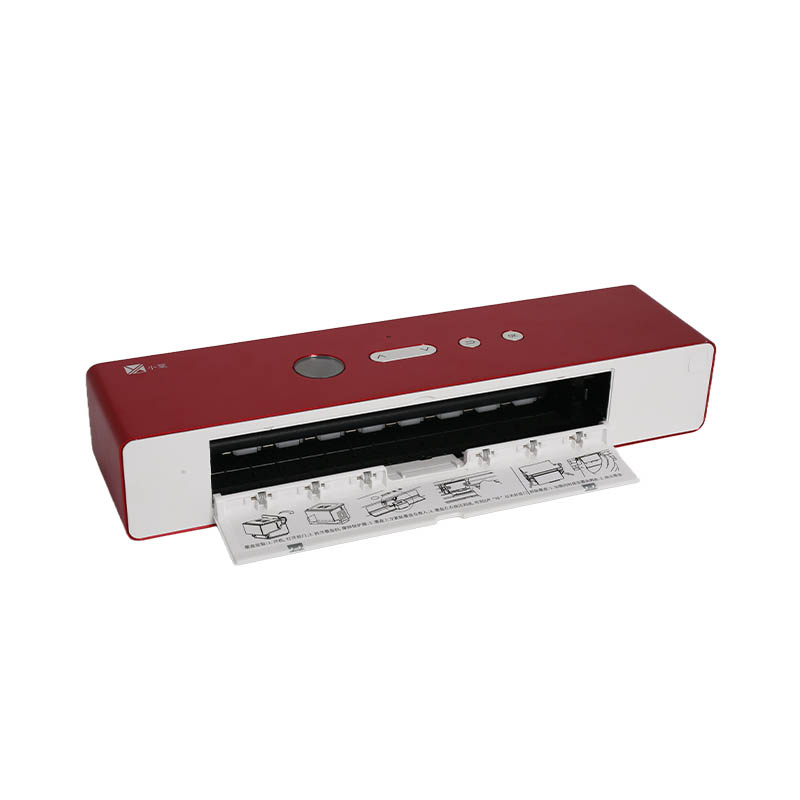
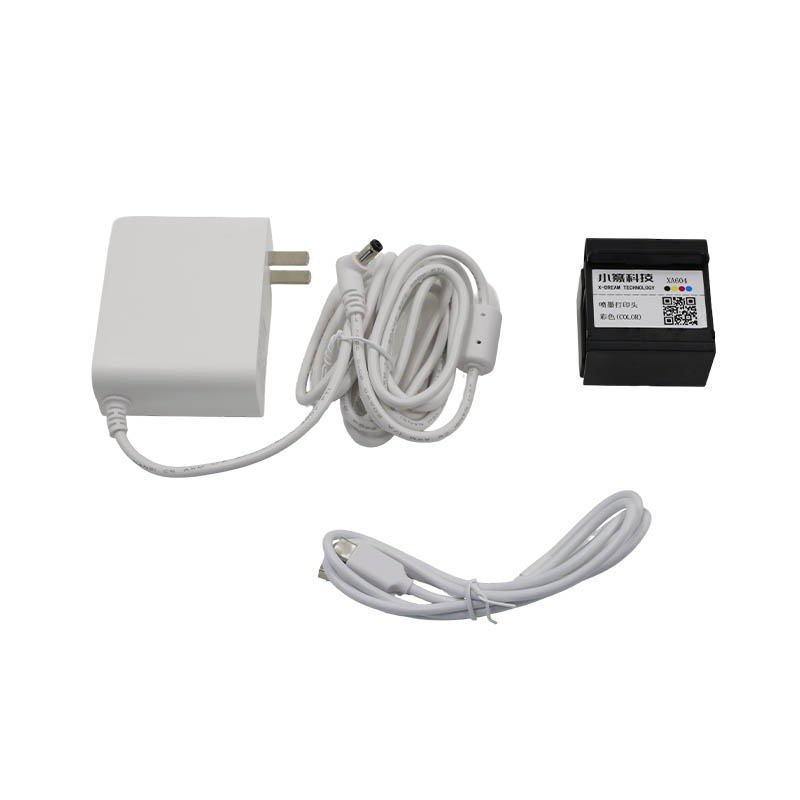
To resolve this contradiction, manufacturers have adopted modular cartridge designs, integrating multiple cartridges into a compact cartridge. For example, by optimizing the shape of ink cartridges, the traditional rectangular structure can be changed to a flattened or stepped arrangement, reducing vertical space occupation; or a removable ink cartridge compartment can be adopted, allowing users to replace ink cartridges of different color gamuts as needed, reducing daily carrying weight while ensuring color performance. Some high-end models also introduce the concept of "Photo cartridges," designing photo printing inks (such as red and blue enhanced inks) separately from document printing inks, enabling multi-purpose use through intelligent software switching, avoiding the bulk redundancy caused by always having full-gamut ink cartridges on hand.
Ink formulation innovation is another key to balancing color and portability. Traditional dye-based inks, while vibrant in color, have poor water resistance; pigment-based inks are durable but have a narrower color gamut. Modern portable printers mostly use hybrid ink systems, combining nano-sized pigment particles with highly dispersed dyes to improve UV resistance while ensuring color saturation. In addition, the application of fast-drying inks reduces the risk of ink smudging after printing, allowing for thinner paper paths and further compressing internal structural space. For example, some models optimize ink surface tension, resulting in smaller contact angles for ink droplets on plain paper. This reduces the distance between the printhead and the paper, allowing for a thinner and lighter device.
Upgrades in printhead technology are crucial for the integration of multi-color ink cartridges. Micro-piezo printheads, with their high-precision droplet control capabilities, have become the mainstream choice for portable devices. They precisely control droplet volume and ejection direction through the deformation of piezoelectric ceramics, supporting smaller nozzle spacing and higher print resolution, enabling denser arrangement of multi-color ink cartridges within a limited space. Simultaneously, intelligent droplet transformation technology dynamically adjusts droplet size based on image content, reducing ink consumption while maintaining color gradation, extending the print volume after a single refill, and indirectly reducing the frequency of users carrying spare cartridges.
In terms of system integration strategies, manufacturers improve the utilization efficiency of multi-color ink cartridges through hardware and software co-optimization. For example, intelligent color management algorithms automatically select the optimal ink combination based on the printed content, avoiding resource waste caused by simultaneous operation of full-gamut ink cartridges; or cloud printing technology can offload complex color calculation tasks to cloud servers, reducing the computational load on the device's local processor, thereby reducing power consumption and heat dissipation requirements, and freeing up space for ink cartridge layout. Furthermore, the integration of wireless connectivity modules frees the device from data cables, further simplifying internal wiring design and improving space utilization.
From a user experience perspective, the ease of use design of multi-color ink cartridges also affects perceived portability. For example, a one-button cartridge replacement mechanism reduces operational steps; a transparent window displays ink levels in real time, avoiding frequent replacements due to ink depletion; or even a refillable ink system reduces long-term operating costs and the bulky burden of discarded cartridges. While these detailed optimizations do not directly involve core technologies, they significantly improve users' overall evaluation of the device's portability.
The design of multi-color ink cartridges for portable inkjet printers is a comprehensive game involving materials science, precision manufacturing, and user experience. Through the synergy of modular structure, innovative ink formulation, advanced printhead technology, and intelligent system management, modern portable devices can achieve professional-grade color performance within a palm-sized body, meeting the dual demands of image quality and portability for scenarios such as mobile office work and outdoor photography. In the future, with the further penetration of nanomaterials and artificial intelligence technologies, this balance may be pushed to an even higher level, opening up new possibilities for the portable printing field.