


How do portable inkjet printers maintain stable printing performance in high-temperature, humid, or dusty environments?
Release Time : 2026-06-10
Portable inkjet printers are widely used in logistics warehousing, industrial manufacturing, building materials processing, food packaging, and other fields due to their flexibility, efficiency, and ease of operation. However, in practical applications, these devices often face complex environments with high temperatures, humidity, and dust levels. These factors can affect printhead operation, ink stability, and the operation of electronic systems.
1. Sealed Structure Design Enhances Environmental Adaptability
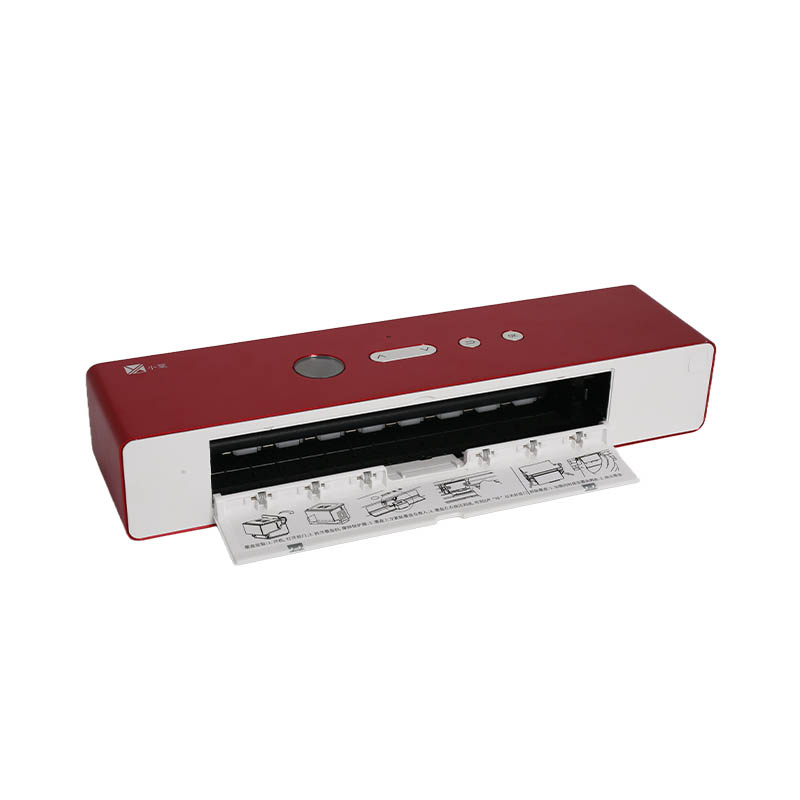
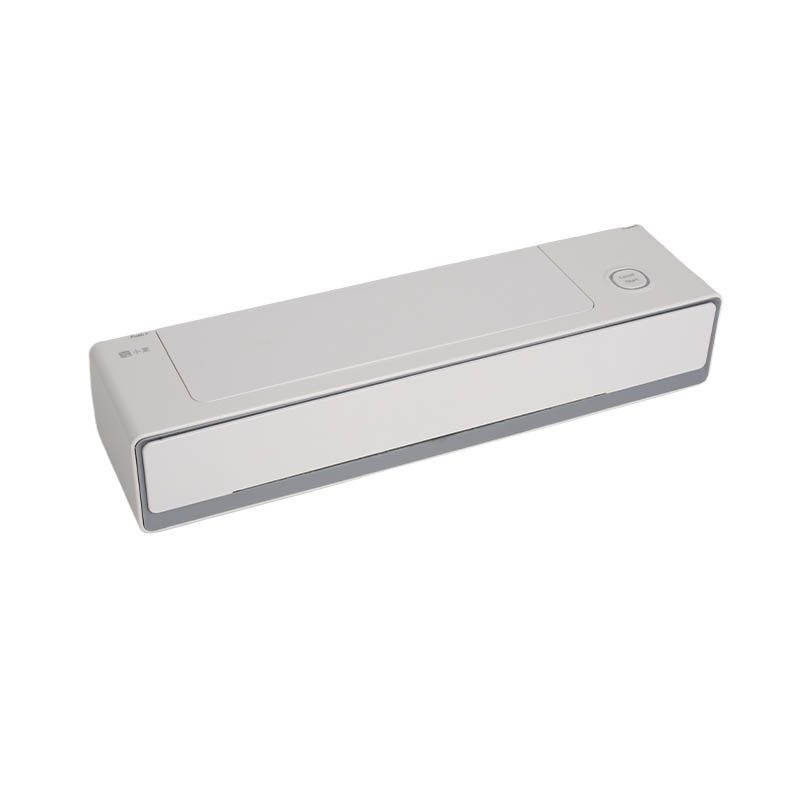
High-temperature, humid, and dusty environments can easily affect the internal components of the printer. Therefore, portable inkjet printers typically employ a sealed structure design to effectively protect core electronic components, control circuits, and the inkjet system. By optimizing the body seams and interface protection structure, the chance of dust and moisture entering the device can be reduced, thereby lowering the risk of malfunctions caused by environmental factors and improving the stability of equipment operation.
2. Efficient Heat Dissipation System Ensures Stable Operation
In high-temperature environments, electronic components and inkjet control modules are prone to performance degradation due to increased temperature. To ensure continuous and stable operation, printers are typically equipped with optimized heat dissipation structures, such as thermally conductive materials, heat dissipation channels, or metal heat sinks. Efficient heat dissipation design effectively releases internal heat to the external environment, preventing overheating of the control system and thus ensuring printing accuracy and operational reliability.
3. Ink System Optimization Prevents Performance Fluctuations
Changes in ambient temperature and humidity directly affect ink flow and jetting performance. High temperatures can accelerate ink evaporation, while humid environments can affect ink drying speed. Therefore, portable inkjet printers typically use more stable, dedicated inks, combined with optimized ink path system designs, enabling the ink to maintain uniform output under different environmental conditions. Simultaneously, the intelligent control system can adjust inkjet parameters according to operating conditions, ensuring consistent print quality.
4. Dust-Proof Design Reduces the Risk of Printhead Clogging
Dust is a significant factor affecting the stable operation of inkjet printers. Large amounts of dust entering the printhead area can easily adhere to the nozzle surface, leading to uneven jetting or even clogging. To address this, many portable inkjet printers employ printhead protective covers, dustproof structures, and automatic cleaning functions. When the device is in standby mode, the printhead automatically enters a protected area, effectively reducing dust intrusion and extending printhead lifespan.
5. Intelligent Monitoring System Enhances Operational Reliability
Modern portable inkjet printers are generally equipped with intelligent monitoring functions that can detect device temperature, battery status, printhead operating status, and ink levels in real time. When environmental conditions exceed set ranges, the system can automatically issue alerts or adjust operating parameters, thereby reducing the impact of abnormal conditions on print quality. Intelligent management not only improves device stability but also reduces manual maintenance workload.
6. Highly Durable Materials Enhance Overall Reliability
To adapt to complex industrial environments, printer housings and key components are typically made of high-temperature resistant, corrosion-resistant, and impact-resistant materials. These materials effectively resist external environmental influences, ensuring good mechanical performance and structural stability during long-term use, providing reliable assurance for continuous and efficient printing.
In summary, portable inkjet printers, through optimized measures such as sealed protective design, efficient heat dissipation systems, stable ink control, dustproof printhead protection, intelligent monitoring technology, and the application of highly durable materials, can maintain stable printing performance in high-temperature, humid, or dusty environments. The integrated application of these technologies not only improves the environmental adaptability of the equipment, but also provides a solid guarantee for efficient labeling operations in industrial sites.
1. Sealed Structure Design Enhances Environmental Adaptability
High-temperature, humid, and dusty environments can easily affect the internal components of the printer. Therefore, portable inkjet printers typically employ a sealed structure design to effectively protect core electronic components, control circuits, and the inkjet system. By optimizing the body seams and interface protection structure, the chance of dust and moisture entering the device can be reduced, thereby lowering the risk of malfunctions caused by environmental factors and improving the stability of equipment operation.
2. Efficient Heat Dissipation System Ensures Stable Operation
In high-temperature environments, electronic components and inkjet control modules are prone to performance degradation due to increased temperature. To ensure continuous and stable operation, printers are typically equipped with optimized heat dissipation structures, such as thermally conductive materials, heat dissipation channels, or metal heat sinks. Efficient heat dissipation design effectively releases internal heat to the external environment, preventing overheating of the control system and thus ensuring printing accuracy and operational reliability.
3. Ink System Optimization Prevents Performance Fluctuations
Changes in ambient temperature and humidity directly affect ink flow and jetting performance. High temperatures can accelerate ink evaporation, while humid environments can affect ink drying speed. Therefore, portable inkjet printers typically use more stable, dedicated inks, combined with optimized ink path system designs, enabling the ink to maintain uniform output under different environmental conditions. Simultaneously, the intelligent control system can adjust inkjet parameters according to operating conditions, ensuring consistent print quality.
4. Dust-Proof Design Reduces the Risk of Printhead Clogging
Dust is a significant factor affecting the stable operation of inkjet printers. Large amounts of dust entering the printhead area can easily adhere to the nozzle surface, leading to uneven jetting or even clogging. To address this, many portable inkjet printers employ printhead protective covers, dustproof structures, and automatic cleaning functions. When the device is in standby mode, the printhead automatically enters a protected area, effectively reducing dust intrusion and extending printhead lifespan.
5. Intelligent Monitoring System Enhances Operational Reliability
Modern portable inkjet printers are generally equipped with intelligent monitoring functions that can detect device temperature, battery status, printhead operating status, and ink levels in real time. When environmental conditions exceed set ranges, the system can automatically issue alerts or adjust operating parameters, thereby reducing the impact of abnormal conditions on print quality. Intelligent management not only improves device stability but also reduces manual maintenance workload.
6. Highly Durable Materials Enhance Overall Reliability
To adapt to complex industrial environments, printer housings and key components are typically made of high-temperature resistant, corrosion-resistant, and impact-resistant materials. These materials effectively resist external environmental influences, ensuring good mechanical performance and structural stability during long-term use, providing reliable assurance for continuous and efficient printing.
In summary, portable inkjet printers, through optimized measures such as sealed protective design, efficient heat dissipation systems, stable ink control, dustproof printhead protection, intelligent monitoring technology, and the application of highly durable materials, can maintain stable printing performance in high-temperature, humid, or dusty environments. The integrated application of these technologies not only improves the environmental adaptability of the equipment, but also provides a solid guarantee for efficient labeling operations in industrial sites.