


How do portable inkjet printers redefine the boundaries of mobile work and creative expression with their lightweight design?
Release Time : 2025-12-22
In today's global digital age, paper documents haven't disappeared; instead, they demonstrate irreplaceable value in specific scenarios—contract signing requires handwritten annotations, classroom notes need to be illustrated, photos need to be printed instantly while traveling, and designers need to create sketches on the spot to communicate inspiration. It is these "print-on-demand" needs that have spurred the rapid development of portable inkjet printers. They abandon the bulky structure of traditional desktop printers, packing high-quality printing capabilities into a backpack with a palm-sized design, wireless connectivity, and smart features, giving paper and ink a new lease on life in the mobile era.
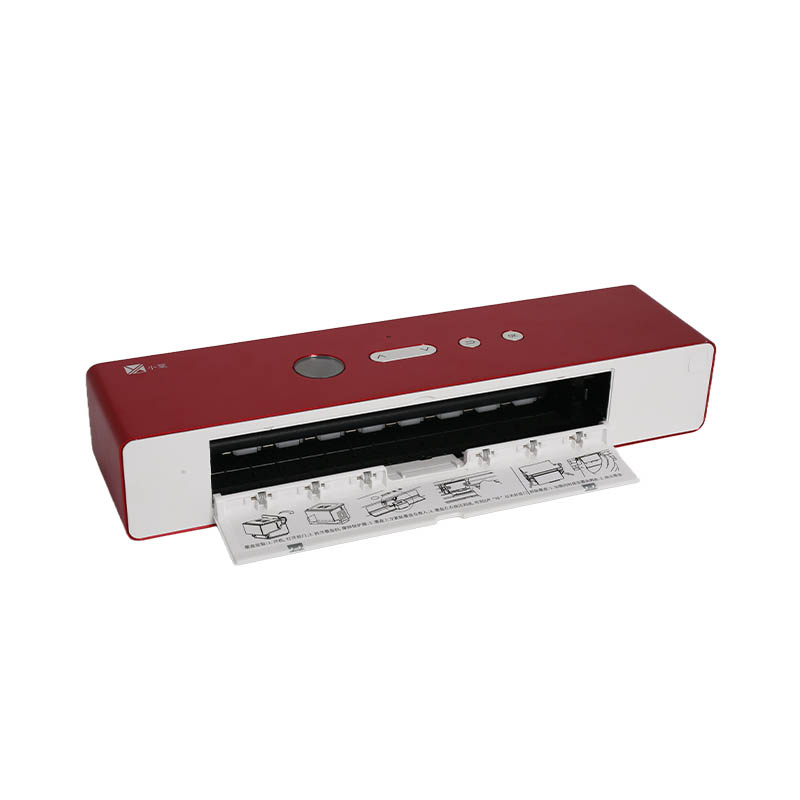
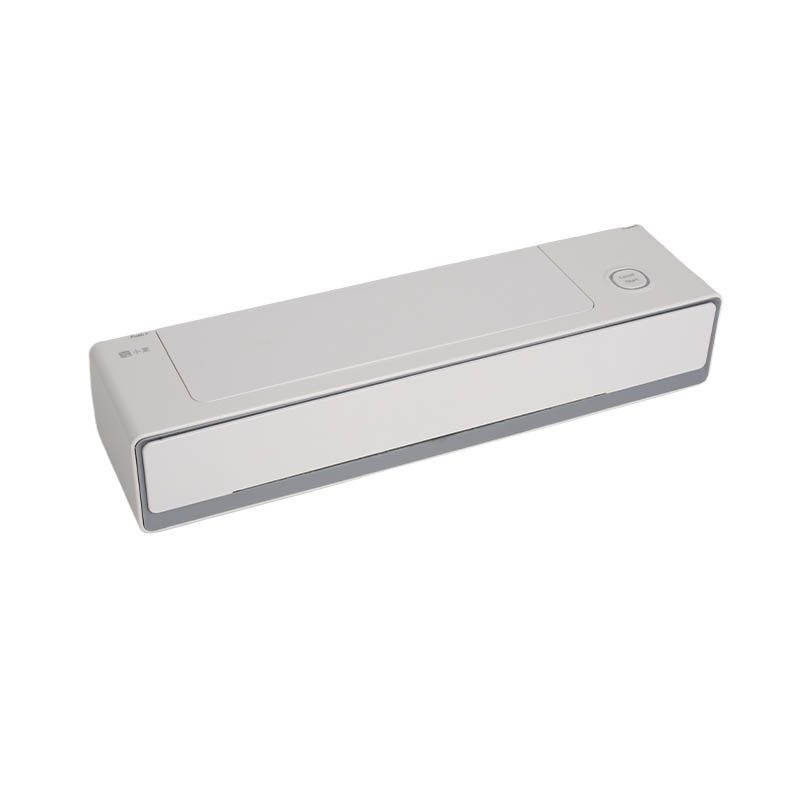
The core advantage of portable inkjet printers lies in their extreme lightweight and compact design. The entire device typically weighs less than 500 grams and is thinner than a notebook, easily fitting into the side pocket of a handbag or camera bag. The body is mostly made of high-strength engineering plastics or aluminum alloy frames, ensuring structural stability while resisting everyday bumps and knocks. The foldable output tray, concealed interface, and integrated ink cartridge design further reduce the size, achieving a highly efficient "open and print, close and go" experience. This portability completely breaks the limitation of printing requiring a fixed workstation.
In terms of performance, modern portable models can provide output quality comparable to desktop printers. Utilizing high-precision micro-piezoelectric or thermal inkjet printhead technology, combined with dedicated dye-based or pigment-based inks, they can produce sharp text and rich colors on plain paper, glossy photo paper, and even labels. Resolution generally reaches 1200 dpi or higher, sufficient for clear output of business documents, study materials, or 6-inch photos. Some high-end models support adjustable margins, duplex printing, and waterproof, quick-drying inks, balancing professionalism and practicality.
Wireless intelligent connectivity is a key feature that distinguishes it from traditional devices. Through Wi-Fi Direct, Bluetooth, or a dedicated app, users can wirelessly send print jobs directly from smartphones, tablets, or laptops, without the need for complex driver installations. Companion applications often integrate document scanning, image editing, and template design (such as calendars, journal stickers, and business cards), upgrading printing from a mere "output" to a "creative starting point." Students can print error correction notebooks, photographers can share their work on-site, and entrepreneurs can instantly create product labels—thus integrating printing into the flow of creation and life.
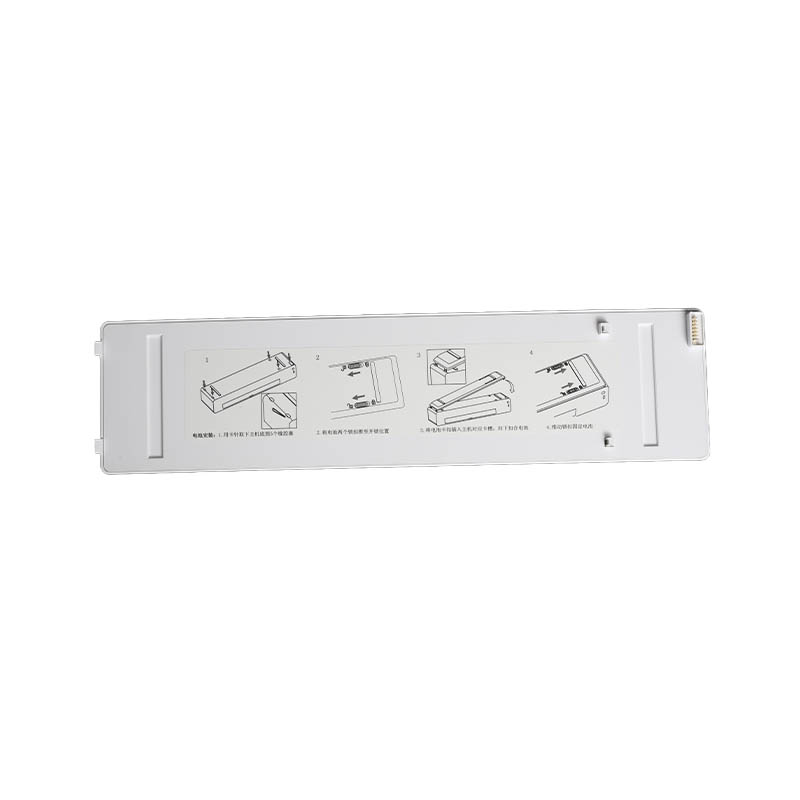
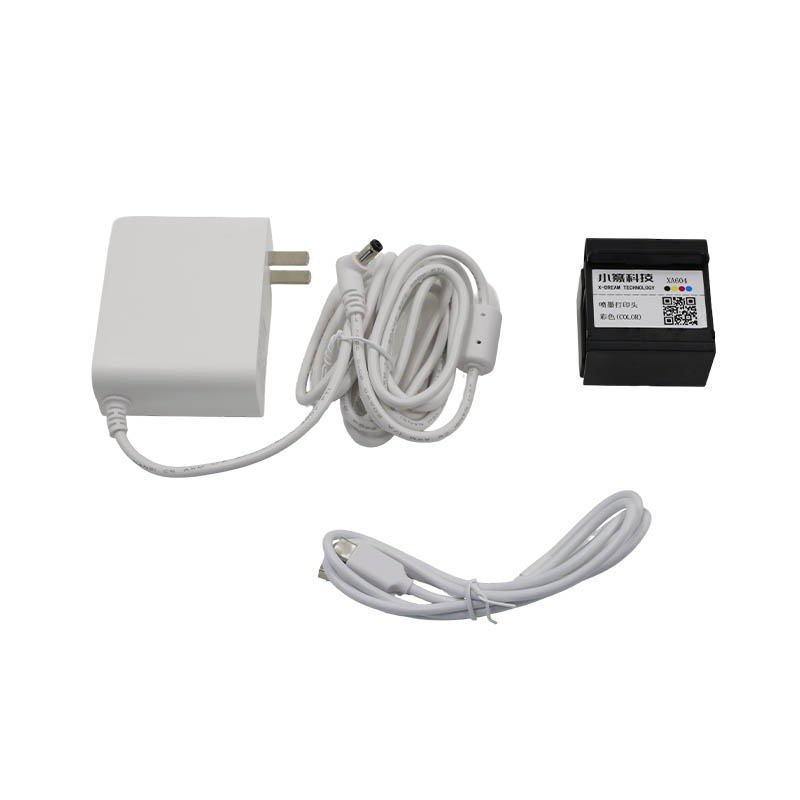
Battery life and consumable design also reflect human-centered considerations. Built-in rechargeable lithium batteries support continuous printing of dozens of pages, meeting the needs of a single outing; the USB-C interface is compatible with power banks, extending usage scenarios. Integrated ink cartridges are easy to replace, and some brands offer high-capacity or replaceable ink cartridge versions, reducing long-term usage costs. Some environmentally friendly models use inkless thermal technology, sacrificing color but achieving zero consumables and zero pollution, suitable for printing receipts or drafts.
This greatly expands application scenarios. In universities, students use it to print lab reports or presentation outlines; at trade shows, sales representatives can print product parameter sheets on-site; in cafes, freelancers can turn sketches of inspiration into physical copies; at home, parents can print coloring cards or growth records for their children. It's both a productivity tool and a vessel for emotions—a freshly printed travel photo touches the heart far more deeply than pixels on a screen.
In an era that strives for both efficiency and individuality, portable inkjet printers bridge the gap between digital and physical worlds with the power of technology. They don't replace large devices, but rather fill the gaps they can't reach, allowing printing to return to its essence of being "on-demand, instant, and portable." When paper once again becomes an extension of thought, this handheld printer is more than just a tool; it's an indispensable creative partner in mobile life—because in a world of information overload, sometimes the most powerful expression is still a piece of paper handed out personally.
The core advantage of portable inkjet printers lies in their extreme lightweight and compact design. The entire device typically weighs less than 500 grams and is thinner than a notebook, easily fitting into the side pocket of a handbag or camera bag. The body is mostly made of high-strength engineering plastics or aluminum alloy frames, ensuring structural stability while resisting everyday bumps and knocks. The foldable output tray, concealed interface, and integrated ink cartridge design further reduce the size, achieving a highly efficient "open and print, close and go" experience. This portability completely breaks the limitation of printing requiring a fixed workstation.
In terms of performance, modern portable models can provide output quality comparable to desktop printers. Utilizing high-precision micro-piezoelectric or thermal inkjet printhead technology, combined with dedicated dye-based or pigment-based inks, they can produce sharp text and rich colors on plain paper, glossy photo paper, and even labels. Resolution generally reaches 1200 dpi or higher, sufficient for clear output of business documents, study materials, or 6-inch photos. Some high-end models support adjustable margins, duplex printing, and waterproof, quick-drying inks, balancing professionalism and practicality.
Wireless intelligent connectivity is a key feature that distinguishes it from traditional devices. Through Wi-Fi Direct, Bluetooth, or a dedicated app, users can wirelessly send print jobs directly from smartphones, tablets, or laptops, without the need for complex driver installations. Companion applications often integrate document scanning, image editing, and template design (such as calendars, journal stickers, and business cards), upgrading printing from a mere "output" to a "creative starting point." Students can print error correction notebooks, photographers can share their work on-site, and entrepreneurs can instantly create product labels—thus integrating printing into the flow of creation and life.
Battery life and consumable design also reflect human-centered considerations. Built-in rechargeable lithium batteries support continuous printing of dozens of pages, meeting the needs of a single outing; the USB-C interface is compatible with power banks, extending usage scenarios. Integrated ink cartridges are easy to replace, and some brands offer high-capacity or replaceable ink cartridge versions, reducing long-term usage costs. Some environmentally friendly models use inkless thermal technology, sacrificing color but achieving zero consumables and zero pollution, suitable for printing receipts or drafts.
This greatly expands application scenarios. In universities, students use it to print lab reports or presentation outlines; at trade shows, sales representatives can print product parameter sheets on-site; in cafes, freelancers can turn sketches of inspiration into physical copies; at home, parents can print coloring cards or growth records for their children. It's both a productivity tool and a vessel for emotions—a freshly printed travel photo touches the heart far more deeply than pixels on a screen.
In an era that strives for both efficiency and individuality, portable inkjet printers bridge the gap between digital and physical worlds with the power of technology. They don't replace large devices, but rather fill the gaps they can't reach, allowing printing to return to its essence of being "on-demand, instant, and portable." When paper once again becomes an extension of thought, this handheld printer is more than just a tool; it's an indispensable creative partner in mobile life—because in a world of information overload, sometimes the most powerful expression is still a piece of paper handed out personally.